ChatGPT resume prompts for an ATS-friendly resume.
ChatGPT can write a strong resume, but only from facts you give it and rules you set. The prompts below get those facts out of you, turn them into clear bullets and fit them to a job posting. The last steps show how to get a finished PDF that applicant tracking systems can read, instead of text to fix in Word.
Resumondo team6 min read
What a good resume prompt gives ChatGPT
ChatGPT fills gaps. Ask it for “a resume for a project manager” and it writes a believable one, with numbers you never achieved. A good prompt closes those gaps. It gives ChatGPT four things:
- Your real material: an old resume, your LinkedIn profile or a few notes. Paste it in or attach the file.
- The target: a job title, or better, the full job posting.
- The rules: facts only from you, no made-up numbers, plain section headings.
- What you want back: a full resume, three bullets or a list of questions.
Every number on your resume should be one you can explain in an interview. Tell ChatGPT that, and it stops guessing.
Let ChatGPT interview you first
Most people undersell their work because they write from memory, alone. An interview works better. ChatGPT asks, you answer, and the details that make a resume strong come out: how many, how much and for whom.
I'm writing my resume for [target role]. Interview me about my work history, one question at a time. Start with my most recent job and work backward. For each role, ask what I was hired to do, what I did and what changed because of it. Ask for numbers like team size, customers, budget or time saved. If I don't know a number, help me estimate it once, then move on. Don't write anything yet. When you have enough, tell me and summarize what you learned.
Answer in full sentences, the way you’d explain your job to a friend. If you have a job posting, paste it in before you start, so the questions focus on what that employer wants.
Turn your answers into bullet points
When the interview is done, ask for the resume itself. Repeat the rules in the same prompt, or ChatGPT drifts back into buzzwords.
Now write my resume from my answers. Use these sections: Summary, Experience, Education, Skills. For each job, write three to five bullets that start with an action verb and put the result first. Use only facts I gave you. Don't add numbers, tools or achievements I didn't mention. Keep my level: if I managed something, don't say I spearheaded or orchestrated it. List the 8 to 12 skills that matter most for [target role].
Weak bullets list duties. Strong ones show scale and results:
BeforeResponsible for onboarding new hires.
AfterOnboarded 25 new hires across three stores, cutting the time until they worked alone from four weeks to two.
To fix a single line, use a shorter prompt:
Rewrite this bullet so it leads with what I achieved. Keep every fact and add none. If a number would make it stronger, ask me for it instead of guessing. [paste the bullet]
Tailor your resume to a job posting
Applicant tracking systems (ATS) and recruiters both search for the posting’s own words. If the job asks for “stakeholder management” and your resume says “worked with other teams”, you may not come up in a search. Tailoring fixes that, as long as the experience is real.
Here are my resume and a job posting. First, list the posting's five most important requirements and say which ones my resume shows and which it doesn't. Then rewrite my resume for this job. Use the posting's wording where I really have that experience, and move the most relevant bullets to the top of each role. Don't claim anything I haven't done. Resume: [paste] Job posting: [paste]
Read the list of gaps first. If a requirement is missing because you forgot it, add it. If you don’t have it, leave it out and address it in your cover letter.
Need one page? Ask: “Cut my resume to one page. Keep every result with a number, merge bullets that overlap and shorten my oldest roles to one line each.”
Get a resume file an ATS can read
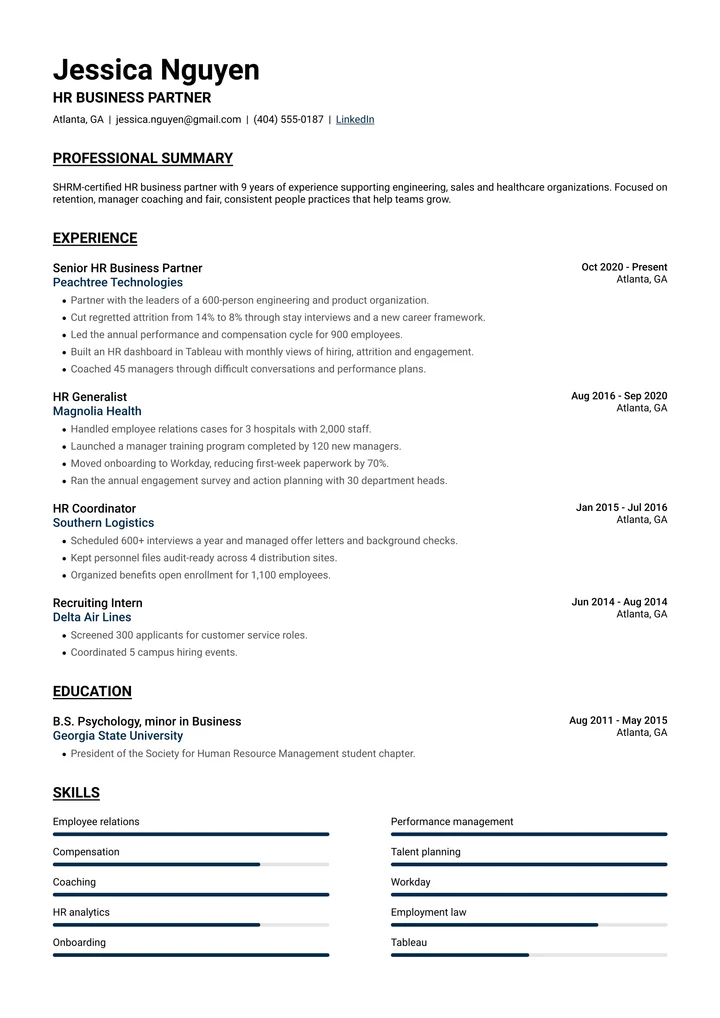
This is where most ChatGPT resumes go wrong. ChatGPT gives you text. You paste it into a document, add columns, icons or a page header, and the file an ATS reads comes out scrambled. Contact details in a page header, skills shown only as bars and creative headings like “Where I’ve worked” are common reasons a resume gets misread.
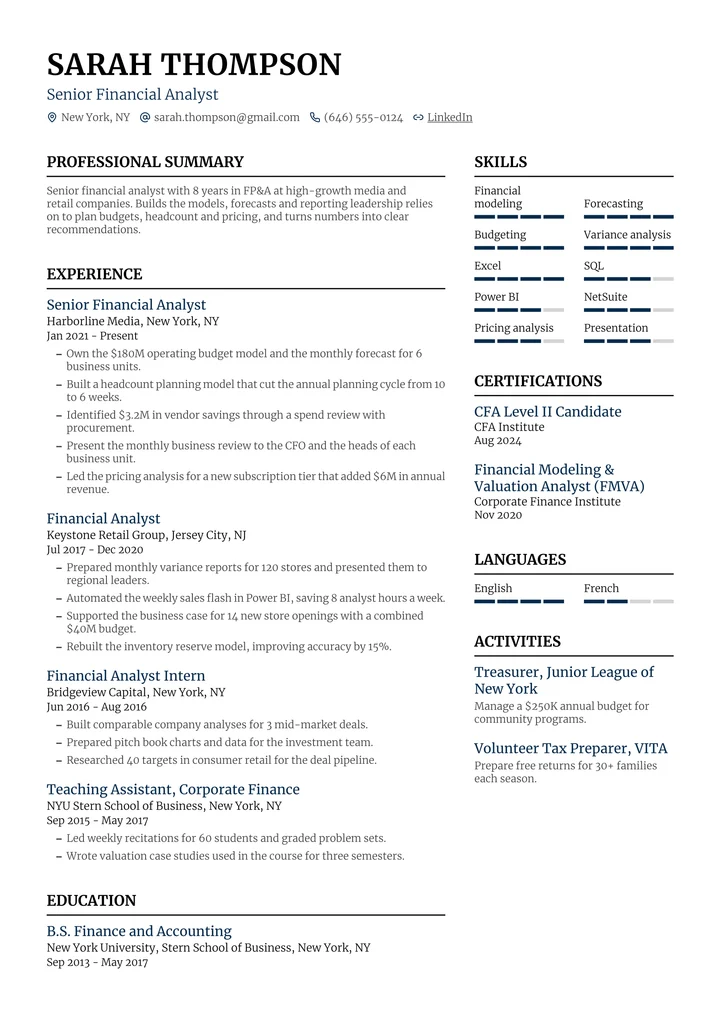
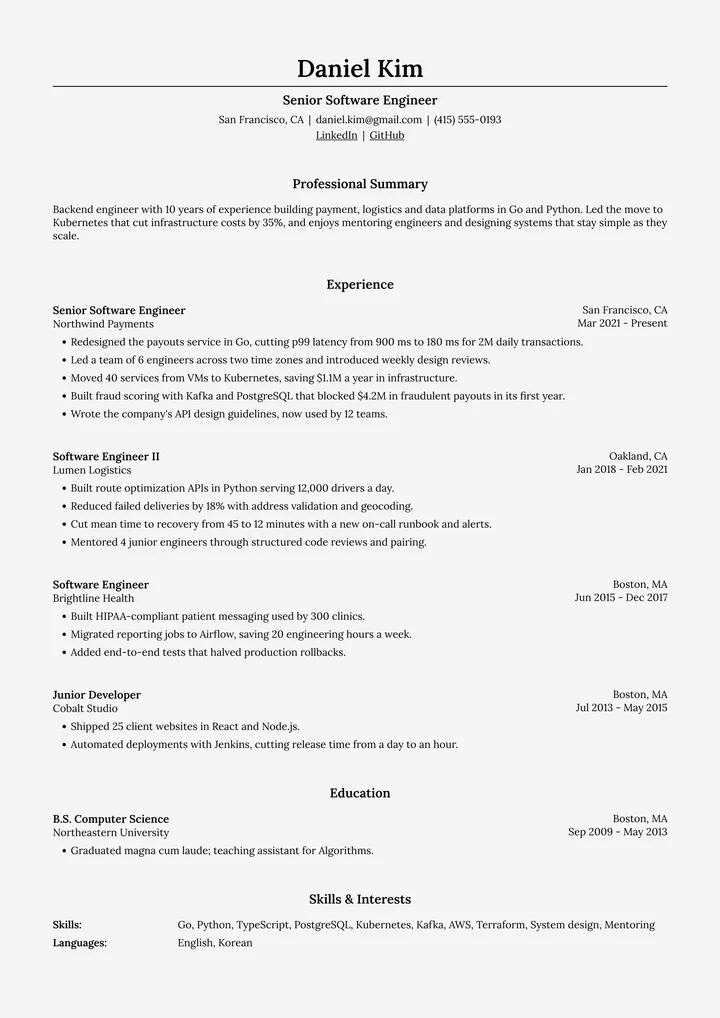
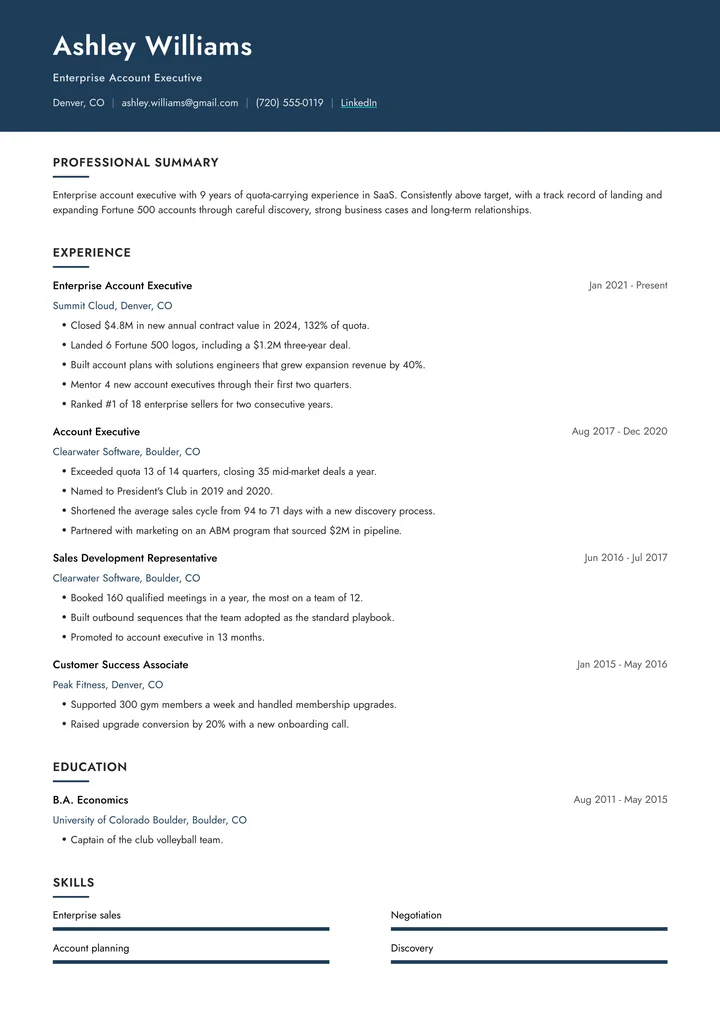
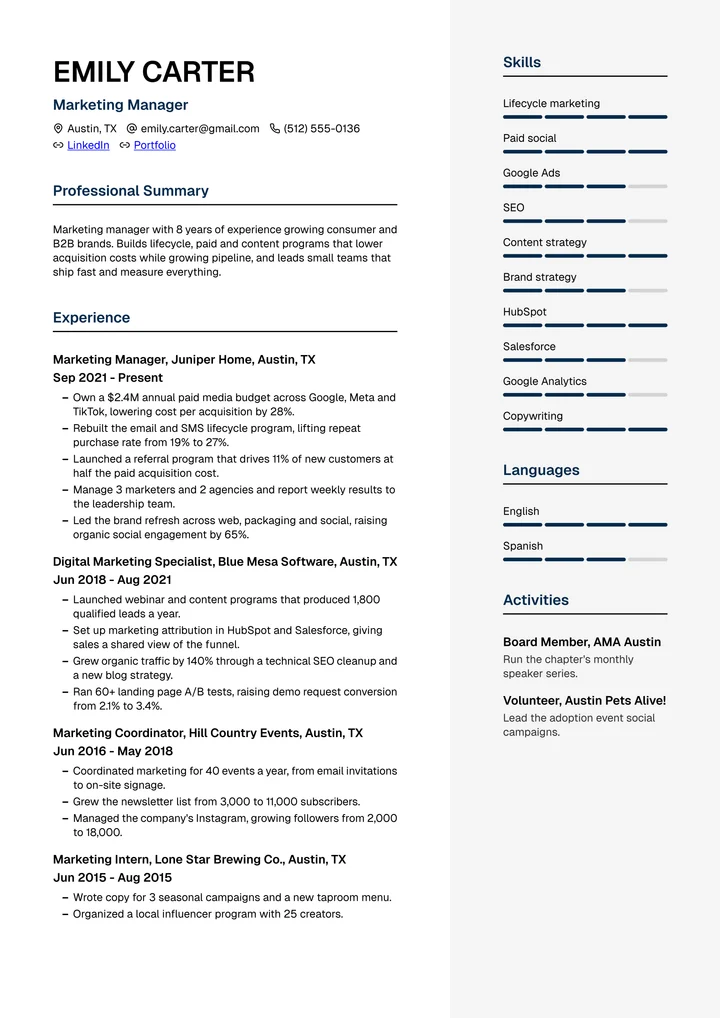
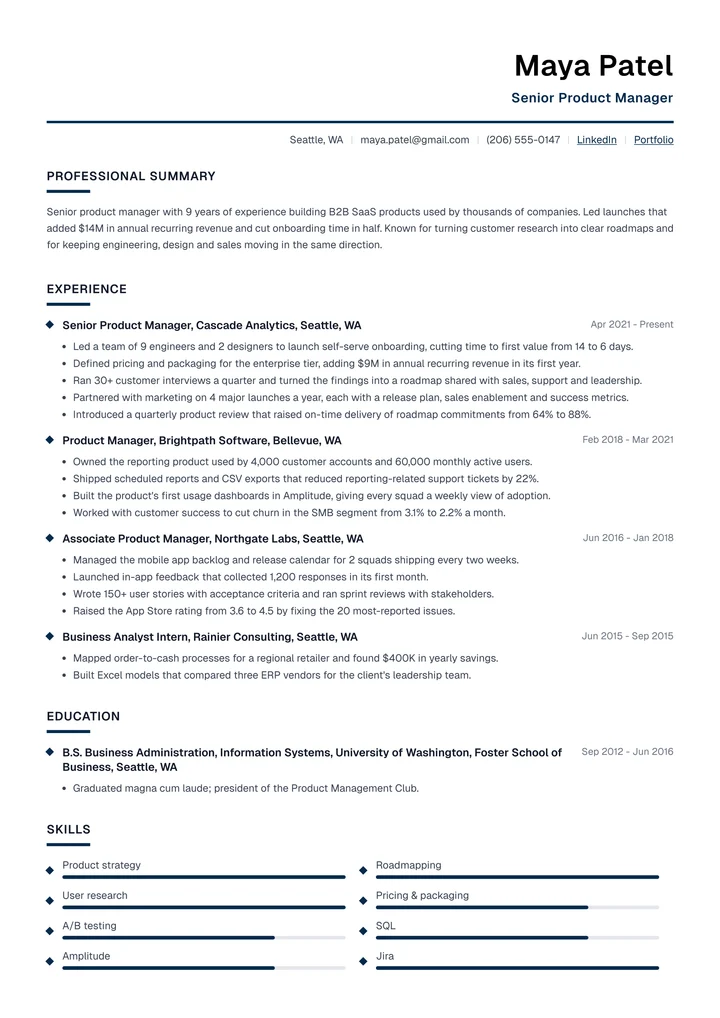
You can keep the layout simple yourself: one column, standard headings and real text, not images. Or you can let ChatGPT save the resume straight into a tested template.
Resumondo is an app you can add to ChatGPT. Once it’s connected, ChatGPT can see all of Resumondo’s resume templates, save your resume in one and give you a link to the PDF. We test every template the same way: fill it with a full sample resume, export the PDF and read its text back the way an ATS does, checking that every field comes through. To connect it:
- On chatgpt.com, open chatgpt.com/plugins, click + and choose Add custom MCP server.
- Name it Resumondo, paste the address from our ChatGPT setup guide as the Server URL, choose OAuth and click Create.
- Open the new plugin, click Connect, sign in to Resumondo and click Allow.
- In a chat, type @ and pick Resumondo.
Apps that save data need a paid ChatGPT plan, and OpenAI has changed which plans include them more than once, so check OpenAI’s page on custom MCP servers for yours. Resumondo also works in Claude, where even the free plan allows one custom connector. On the Resumondo side, saving resumes from an AI assistant is part of Monthly Access and Lifetime Access.
Then mention Resumondo by name:
Save the resume we just wrote in Resumondo. Show me the templates first and suggest two that suit [target role].
Read my resume in Resumondo, tailor it to this job posting and save it as a new version. Keep the original. [paste the job posting]
Every resume ChatGPT saves opens in the Resumondo editor, where you can change any line, switch templates and download the PDF.
Check it before you apply
Before you send anything, ask ChatGPT to read your resume the way a busy recruiter would.
Read my resume the way a recruiter scanning it in ten seconds would. What stands out first? Which lines are vague? Which bullets have no result? Are any dates missing or overlapping? Give me the five changes that would help most, in order.
Then check three things yourself. Every number is true and you can explain it. Every job has a start and end date. And the file you upload is the one you checked: open the PDF, select all the text and paste it into a plain note. If your name, email or a whole section is missing or jumbled there, an ATS may see the same. Resumondo’s ATS resume checker runs that test on your real file and explains what to fix, and your first check is free.